Loading...

NEWS

Pickling and Passivation, 304 Stainless Steel Mesh, Corrosion Resistance, Surface Pre-treatment, Anti-Rust Stainless Steel, Chromium Oxide Layer, Security Screen Mesh, Powder Coating Adhesion

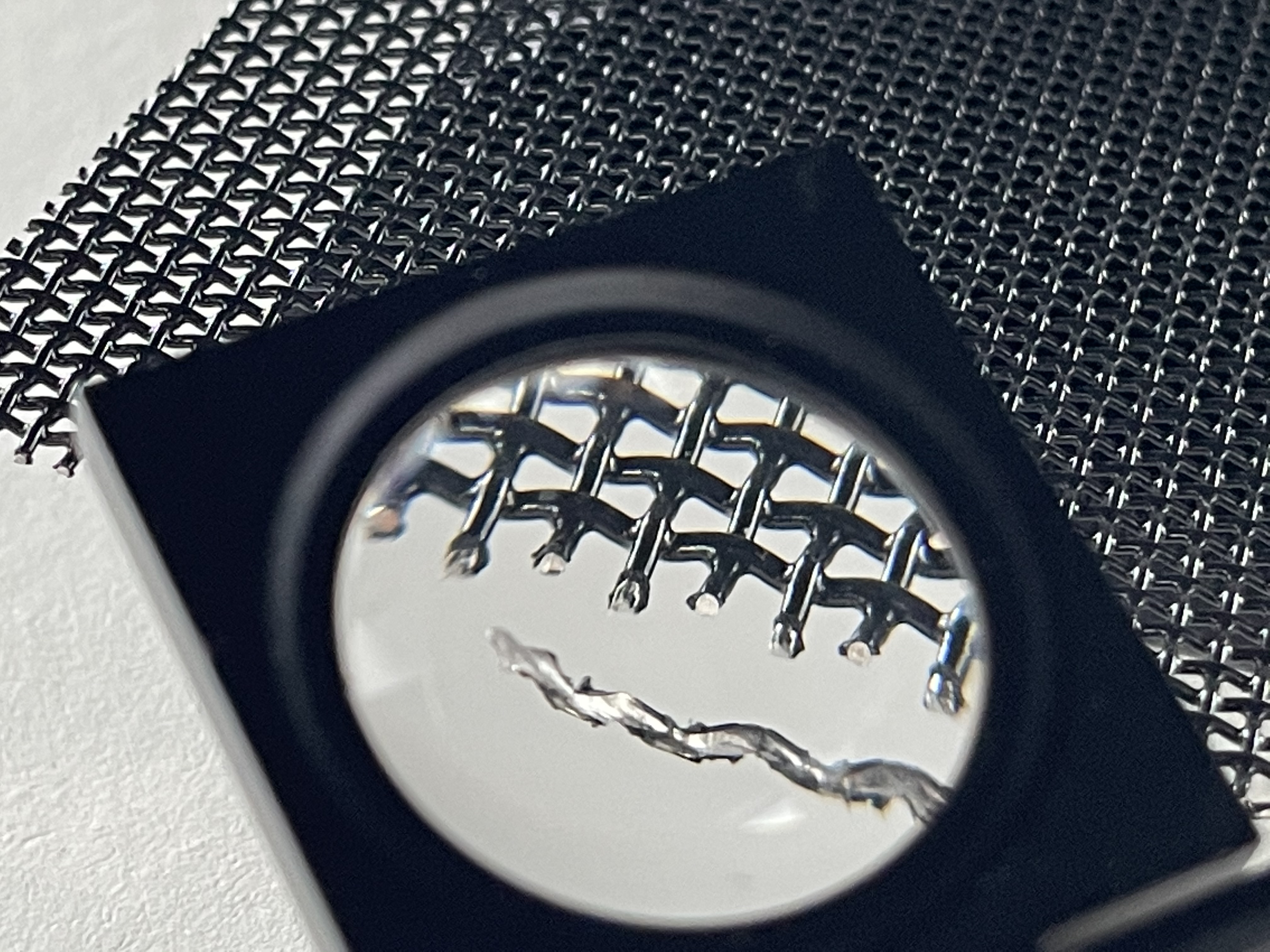
While 304 stainless steel is inherently rust-resistant, skipped pre-treatments can lead to premature oxidation. This article explains why pickling and passivation are critical for security screen mesh: it completely removes surface oil and metal residues to prevent rust spots, while chemically creating a 2–3 µm protective chromium oxide film—over 1,000 times thicker than the natural layer—to block moisture, oxygen, and chloride corrosion.

Mesh Count & Aperture Calculation, Filter Mesh Count, 500-Mesh Aperture, High-Precision Filter Mesh, Factory 540 Standard Test Sieve

This article provides a detailed breakdown of filter mesh count and aperture calculation formulas (using 60 mesh, 100 mesh, and 500 mesh as examples), analyzes the impact of imported versus domestic reeds on mesh uniformity, and comprehensively explores the core value and industrial applications of high-precision filter mesh backed by military-grade manufacturing standards.

Mesh Count, Wire Diameter, Stainless Steel Wire Mesh, Industrial Filter Mesh Selection

In industrial filter mesh procurement, many people mistakenly believe that specifying the "mesh count" alone determines the aperture size. In reality, "mesh count" only represents the number of openings per unit length, while the "wire diameter" separating these openings is the critical factor determining flow capacity and filtration performance. Through clear analogies, this article provides an in-depth analysis of the relationship between mesh count, wire diameter, and aperture size, offering practical "dual-parameter" procurement advice to help you select the precise specification for your needs.

pleated screen mesh, invisible screen door, PET mesh, PP mesh, polypropylene, crease resistance, low-temperature brittleness

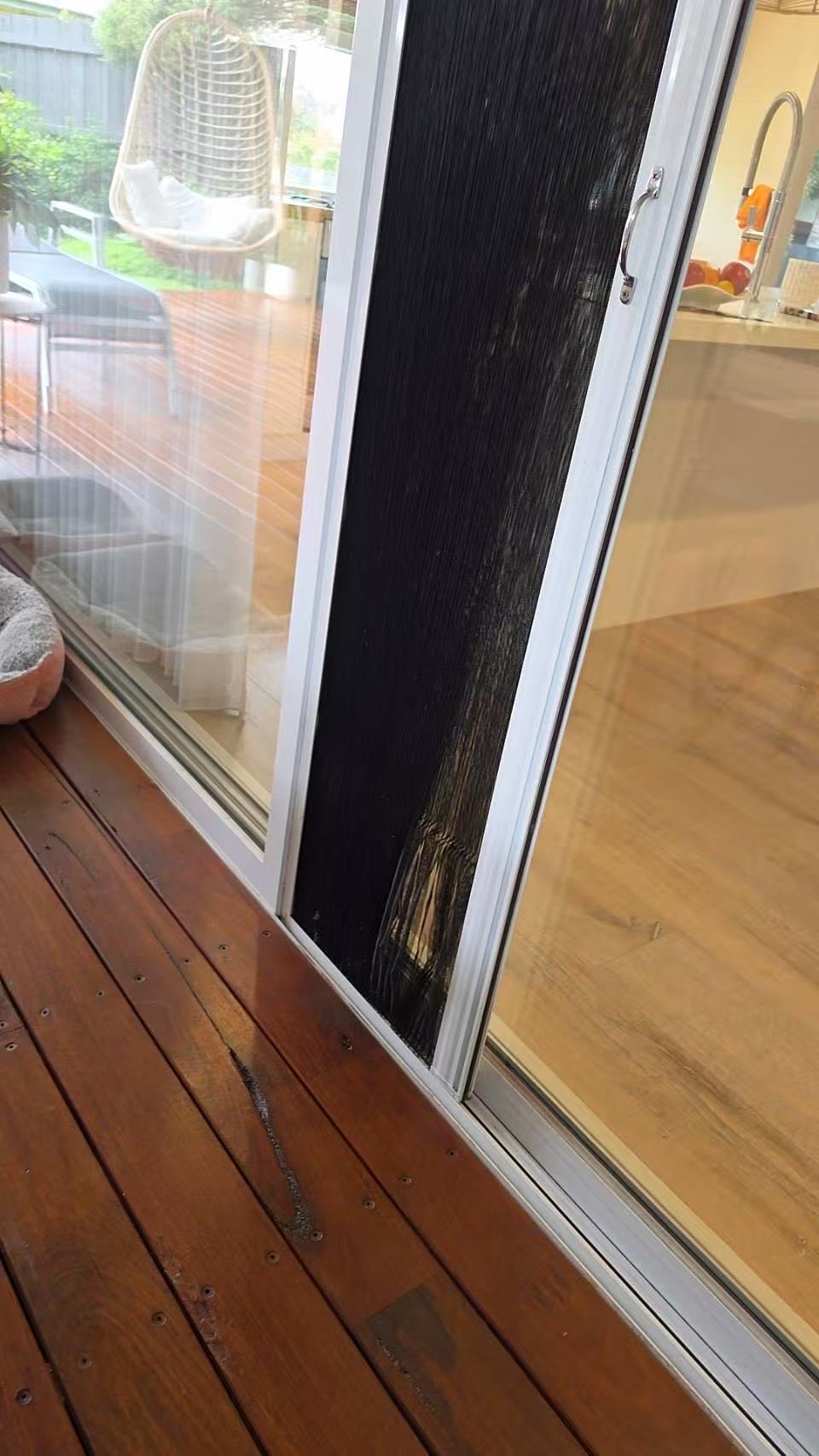
Based on technical feedback from leading domestic screen window manufacturers, this article provides an in-depth analysis of the performance differences between PET and PP materials in pleated screen mesh applications. By comparing their durability under repeated folding, risk of low-temperature brittleness, and resilience, it highlights the core advantages of PP material in professional manufacturing.