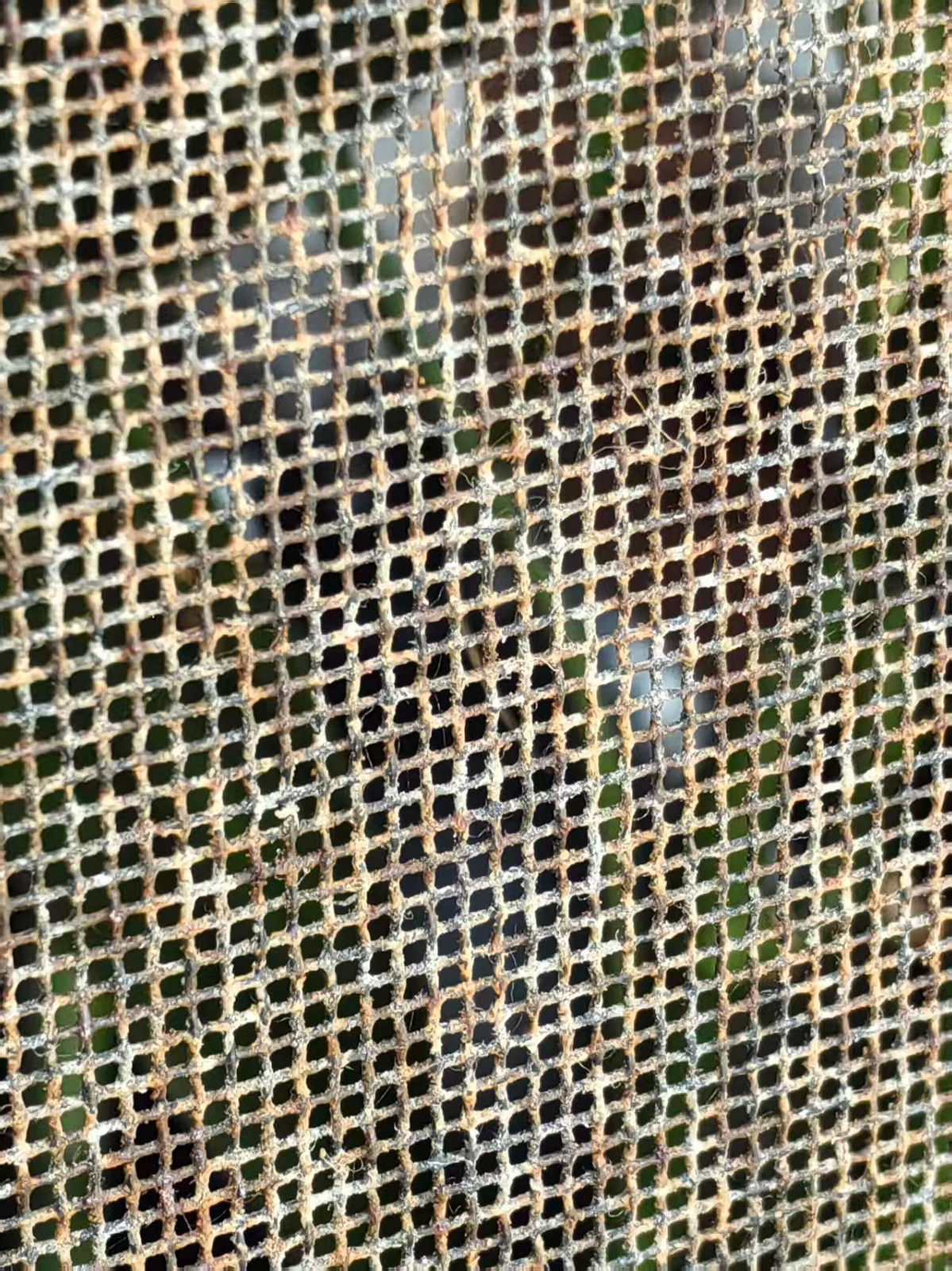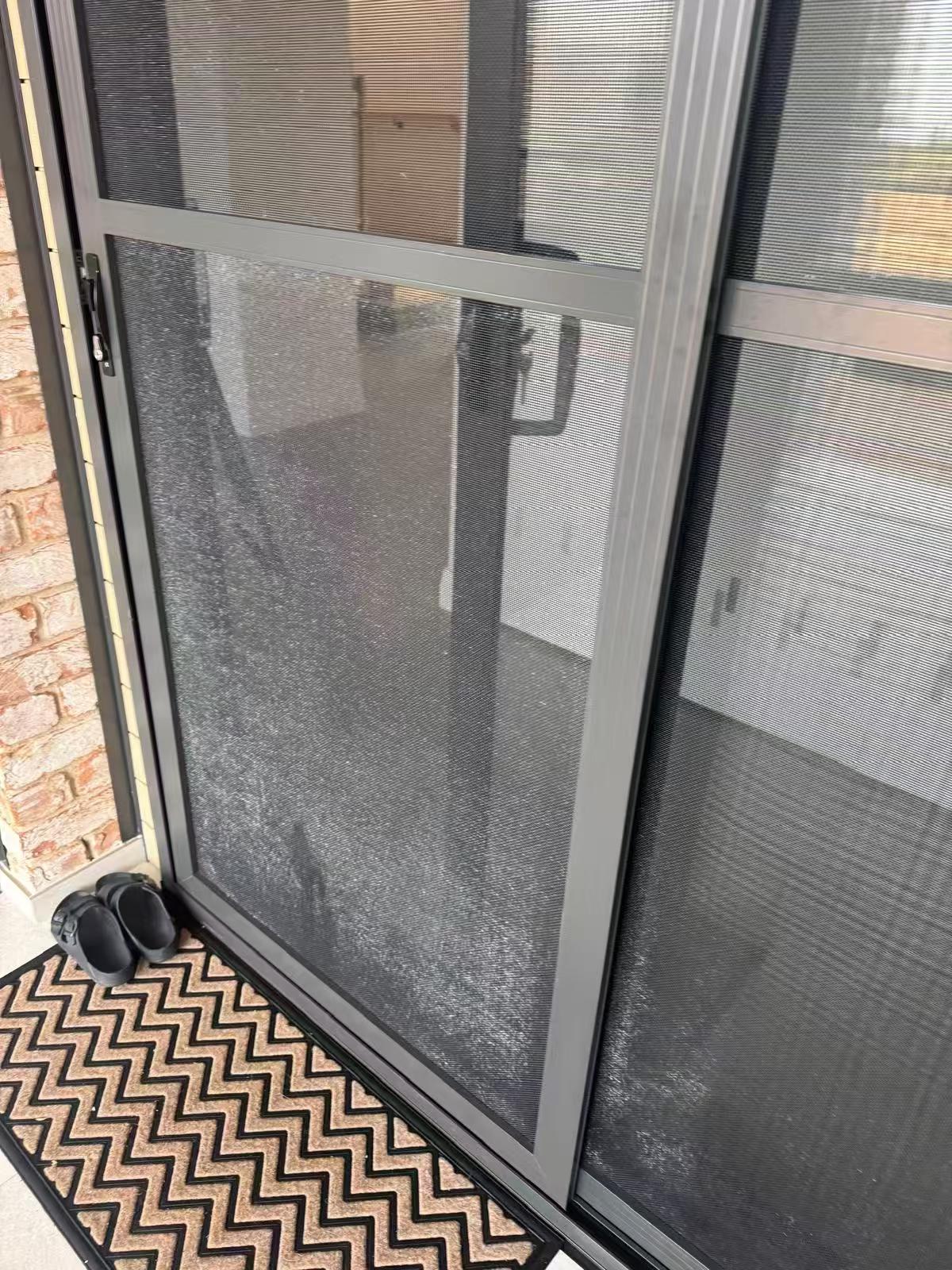
In window hardware engineering and mesh sourcing, distributors and contractors frequently ask: "Why does standard 304 stainless steel mesh develop surface flash rust after just two years? What are the actual Neutral Salt Spray (NSS) test ratings for 201, 304, and 316L grades?" As a professional stainless steel security mesh manufacturer, Ji'an Screen Mesh delivers an in-depth breakdown of corrosion resistance data and the root causes of flash rusting.
1. Neutral Salt Spray (NSS) Corrosion Resistance Ratings for Coated Stainless Steel Mesh
Under equivalent powder coating specifications, the corrosion resistance hours during standard Neutral Salt Spray (NSS) testing are summarized below:
| Material Grade | NSS Salt Spray Reference Range | Application & Environmental Suitability |
|---|---|---|
| Standard 201 Mesh | Approx. 240 – 500 Hours | Inland, dry environments; basic anti-rust capability |
| Standard 304 Mesh | Approx. 500 – 1,000 Hours | Standard residential buildings and moderately humid climates |
| Standard 316L Mesh | 1,000 – 2,000+ Hours | Coastal regions, high-salinity zones, and industrial corrosive environments |
2. Why Does Authentic 304 Stainless Steel Mesh Still Develop "Flash Rust"?
Surface flash rust on 304 stainless steel mesh is rarely caused by core material degradation; instead, it typically stems from two critical manufacturing stages:
1. External Iron Contamination During Processing: During the wire drawing and weaving processes, if machinery, dies, cutting tools, or auxiliary lubricants carry carbon steel particles, iron shavings, or oily contaminants, free iron particles adhere to the stainless steel wire. Lacking the self-passivating protection of stainless steel, these foreign iron particles oxidize first in humid or saline environments, generating visible surface flash rust.
2. Cold Working Stresses and Uneven Passive Film: Mechanical drawing and cross-weaving introduce cold work hardening, micro-scratches, and residual stress, inhibiting the natural self-healing of the passive oxide film. If post-production degreasing and pickling passivation are insufficient, the protective film remains uneven, rendering the surface susceptible to pitting corrosion when exposed to airborne moisture and chloride ions.
3. Source Manufacturing Upgrades by Ji'an Screen Mesh
Meeting standard alloy composition is merely the baseline. Rigorous contamination control, surface cleanliness, and pickling passivation are the true differentiators in durability:
Strict Iron Contamination Control: Clean production lines prevent carbon steel cross-contamination during drawing and weaving, ensuring base metal purity.
Standardized Pickling Passivation: Comprehensive chemical cleaning removes free iron deposits and facilitates the formation of a dense, uniform chromium oxide passive film, substantially extending long-term salt spray resistance.
4. FAQ: Stainless Steel Mesh Sourcing & Anti-Corrosion
Q: Does surface flash rust indicate the material is fake 304 stainless steel?
A: Not necessarily. Even genuine 304 grade can produce surface flash rust if external iron debris settles on the mesh during weaving without subsequent chemical pickling passivation.
Q: What grade of security mesh is recommended for high-salinity coastal projects?
A: Grade 316L stainless steel mesh with NSS ratings exceeding 1,000–2,000 hours is recommended, sourced from established manufacturers like Ji'an Screen Mesh equipped with dedicated pickling passivation and high-adhesion coating lines.